

Kansas budget woes render uncertainty for angel tax credits
May 2, 2015 | Bobby Burch
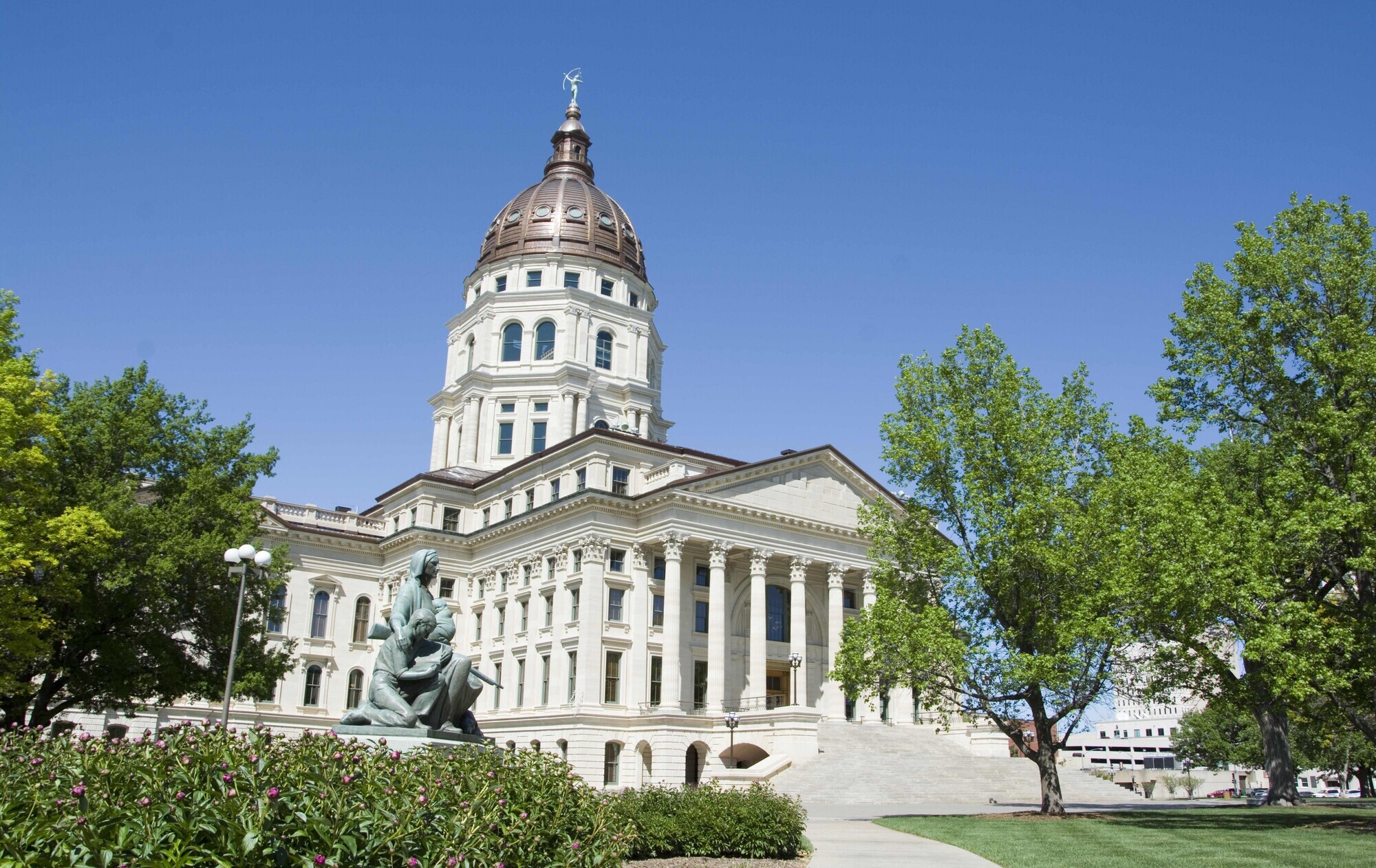
As state budgetary concerns loom in the background, early-stage firms in Kansas are hoping a bill to extend the Sunflower State’s Angel Investor Tax Credit program will become a priority for legislators.
Scheduled to sunset after the 2016 fiscal year, the program annually allocates $6 million in credits to entice investments in early-stage, growth-oriented companies in Kansas. HB 2405, which is now awaiting Kansas House approval, would extend the life of the program until 2021.
The bill’s future, however, is in limbo. Kansas faces a projected $600 million budgetary shortfall as a result of the legislature’s slashing of personal income taxes in 2012 and 2013. Legislators now are grappling with the choice to phase out what’s been a popular program, or spend some of the state’s limited dollars.
“It’s difficult right now, considering the budget situation,” said Chris Harris, Angel Investor Tax Credit program director. “But there’s cautious optimism (the bill will pass).”
Harris testifies before Kansas legislators each year, reporting on the program’s success since its 2005 launch. In its ten year life, the program has helped 298 companies raise more than $342.9 million in capital, which has allowed the firms to create 1,188 new jobs. Since 2012, the tax credits have helped create 549 jobs, according to the Kansas Department of Commerce.
The program is off to a hot start in 2015, too. Already more than 50 companies have applied for the credits by March 2015, which Harris said nearly doubles the volume of applications when compared to March 2014.
Melissa Roberts, marketing director for the Enterprise Center of Johnson County, said her organization’s angel investment arm, Mid-America Angels, seeks out the credits with each deal.Roberts said that the tax credits not only entice investors, but also mitigate the risk of backing an early-stage firm.
“The existing tax credits make Kansas companies more attractive to investors — from Kansas or any other state,” she said. “It allows angel investors to leverage their real investment in a company–and in some cases, encourages investors to tolerate a bit more risk or make a larger investment than they normally would.”
Roberts said that more than 20 states have implemented programs to attract or retain investment capital by way of income tax credits. On average, 4.1 new jobs are created for each angel investment made, according to the Center for Venture Research.

Featured Business

2015 Startups to Watch
stats here
Related Posts on Startland News

Venture experts: Getting your first check in KC is too difficult, but a record influx of coastal investors isn’t a bad substitute
A new report on Kansas City’s venture-backed companies showed year-over-year growth in multiple areas — impressing industry experts who identified key investment trends in the data. More companies with venture capital backing; higher employee counts; a 58 percent boost in fundraising. Yet growth was not universal. Despite gains in top-line figures, the number of Kansas City-based…

RX Savings Solutions sale would see the startup acquired for up to $875M in KC’s biggest-ever exit
The McKesson Corporation has agreed to purchase Overland Park-prescribed Rx Savings Solutions in a deal worth nearly $1 billion. McKesson announced Monday that it had entered into an agreement with the prescription pricing startup valued at up to $875 million — more than double the $425 million price tag for which Kansas City-built Backlot Cars…

KC team developing tool to get low-income entrepreneurs online (and it just got a $240K boost)
A collaborative project to “bridge the gap” in Kansas City’s digital divide secured one of the 2022 Heartland Challenge grants from the Ewing Marion Kauffman Foundation. PCs for People Kansas City (formerly Connecting for Good), in partnership with The Usher Garage and No-Where Consultants, will receive $240,000 in funding to be used over two years…

How this KC trucking platform is helping drivers achieve the ‘American Dream’ amid high industry demands, burnout
The COVID-19 pandemic highlighted the importance of truck drivers in the American economy, said Jeff Dema; and Foxpoint is targeting its efforts to ensure that drivers succeed and stay in the demanding industry. “Being a truck driver is a hard job. They’re gone 250 plus nights a year from their home. It requires lots of…