

Kansas budget woes render uncertainty for angel tax credits
May 2, 2015 | Bobby Burch
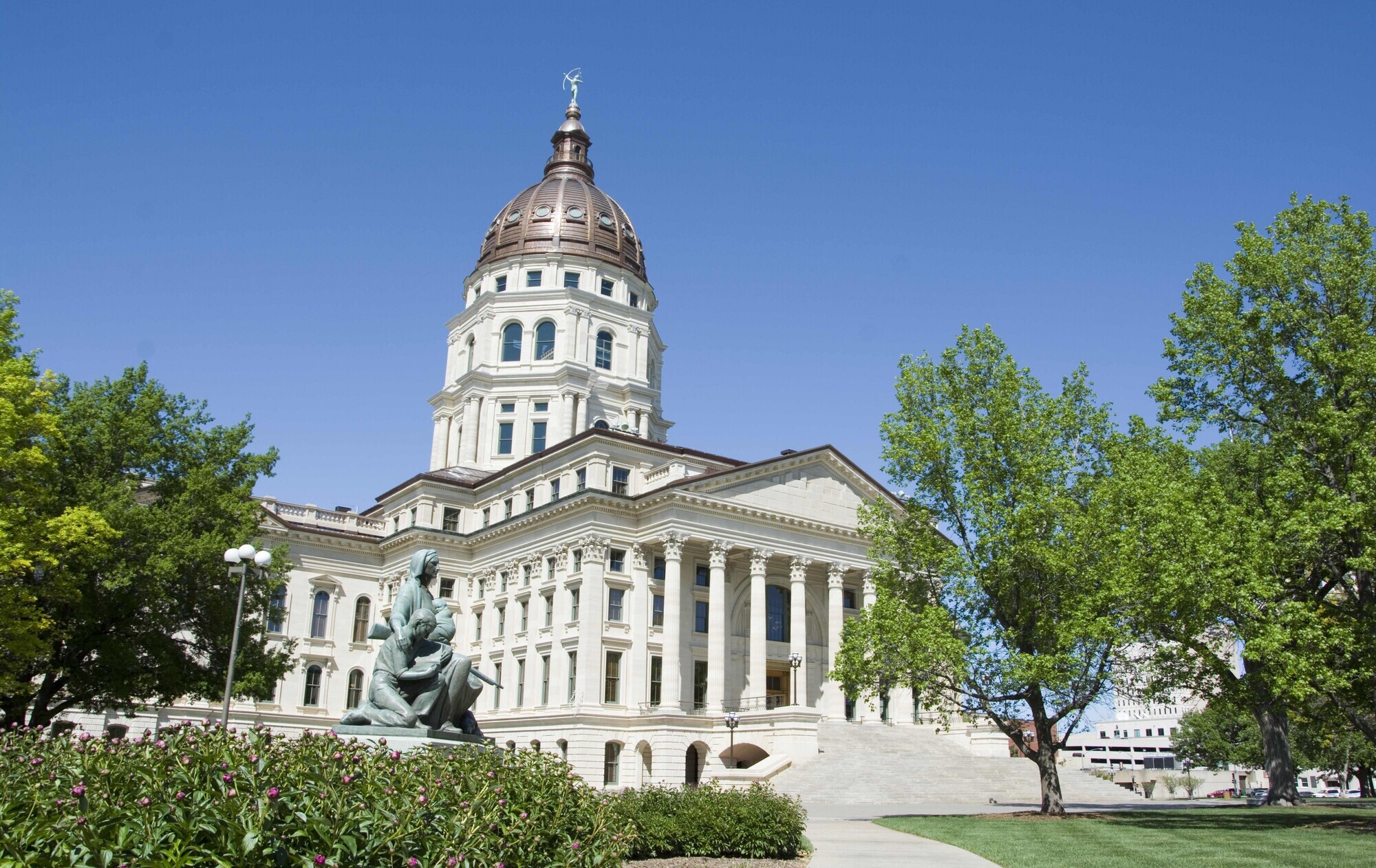
As state budgetary concerns loom in the background, early-stage firms in Kansas are hoping a bill to extend the Sunflower State’s Angel Investor Tax Credit program will become a priority for legislators.
Scheduled to sunset after the 2016 fiscal year, the program annually allocates $6 million in credits to entice investments in early-stage, growth-oriented companies in Kansas. HB 2405, which is now awaiting Kansas House approval, would extend the life of the program until 2021.
The bill’s future, however, is in limbo. Kansas faces a projected $600 million budgetary shortfall as a result of the legislature’s slashing of personal income taxes in 2012 and 2013. Legislators now are grappling with the choice to phase out what’s been a popular program, or spend some of the state’s limited dollars.
“It’s difficult right now, considering the budget situation,” said Chris Harris, Angel Investor Tax Credit program director. “But there’s cautious optimism (the bill will pass).”
Harris testifies before Kansas legislators each year, reporting on the program’s success since its 2005 launch. In its ten year life, the program has helped 298 companies raise more than $342.9 million in capital, which has allowed the firms to create 1,188 new jobs. Since 2012, the tax credits have helped create 549 jobs, according to the Kansas Department of Commerce.
The program is off to a hot start in 2015, too. Already more than 50 companies have applied for the credits by March 2015, which Harris said nearly doubles the volume of applications when compared to March 2014.
Melissa Roberts, marketing director for the Enterprise Center of Johnson County, said her organization’s angel investment arm, Mid-America Angels, seeks out the credits with each deal.Roberts said that the tax credits not only entice investors, but also mitigate the risk of backing an early-stage firm.
“The existing tax credits make Kansas companies more attractive to investors — from Kansas or any other state,” she said. “It allows angel investors to leverage their real investment in a company–and in some cases, encourages investors to tolerate a bit more risk or make a larger investment than they normally would.”
Roberts said that more than 20 states have implemented programs to attract or retain investment capital by way of income tax credits. On average, 4.1 new jobs are created for each angel investment made, according to the Center for Venture Research.

Featured Business

2015 Startups to Watch
stats here
Related Posts on Startland News

KC lands federal ‘Smart Cities Initiative’ grant
The White House announced a new ‘Smart Cities Initiative’ this week that will bolster the Kansas City tech community. The $160 million grant has a slew of moving parts, but one portion includes a $6 million grant from the National Science Foundation that 15 communities, including Kansas City, will benefit from. The exact amount each…

Pipeline accepting applications, heading abroad
Pipeline Entrepreneurs is welcoming applicants for its 10th fellowship class, which is now gearing up for a lively year of entrepreneurial education. Pipeline, an organization of powerful Midwestern entrepreneurs that conducts a fellowship each year, will be holding its development courses in Kansas City, St. Louis, Nebraska and Ireland. Pipeline CEO Joni Cobb said the…

Postmates launches on-demand delivery service in KC
Postmates is coming to Kansas City. Well, technically the San Francisco-based company is already here. The Kansas City area is one of 10 metros the on-demand delivery service is officially launching in on Sept. 17, but for those who have heard of Postmates and downloaded the app, the service is live. Similar to Uber, Postmates is organized through…

KC joins national STEM Ecosystem program
Kansas City was named one of 27 communities to pilot a national program aimed to boost the area science, technology, engineering and math, or STEM, ecosystem. There are still many unknowns following the announcement as community leaders involved wait for further direction from the STEM Ecosystem Initiative, but Science Pioneers executive director LeAnn Smith said…