

Kansas budget woes render uncertainty for angel tax credits
May 2, 2015 | Bobby Burch
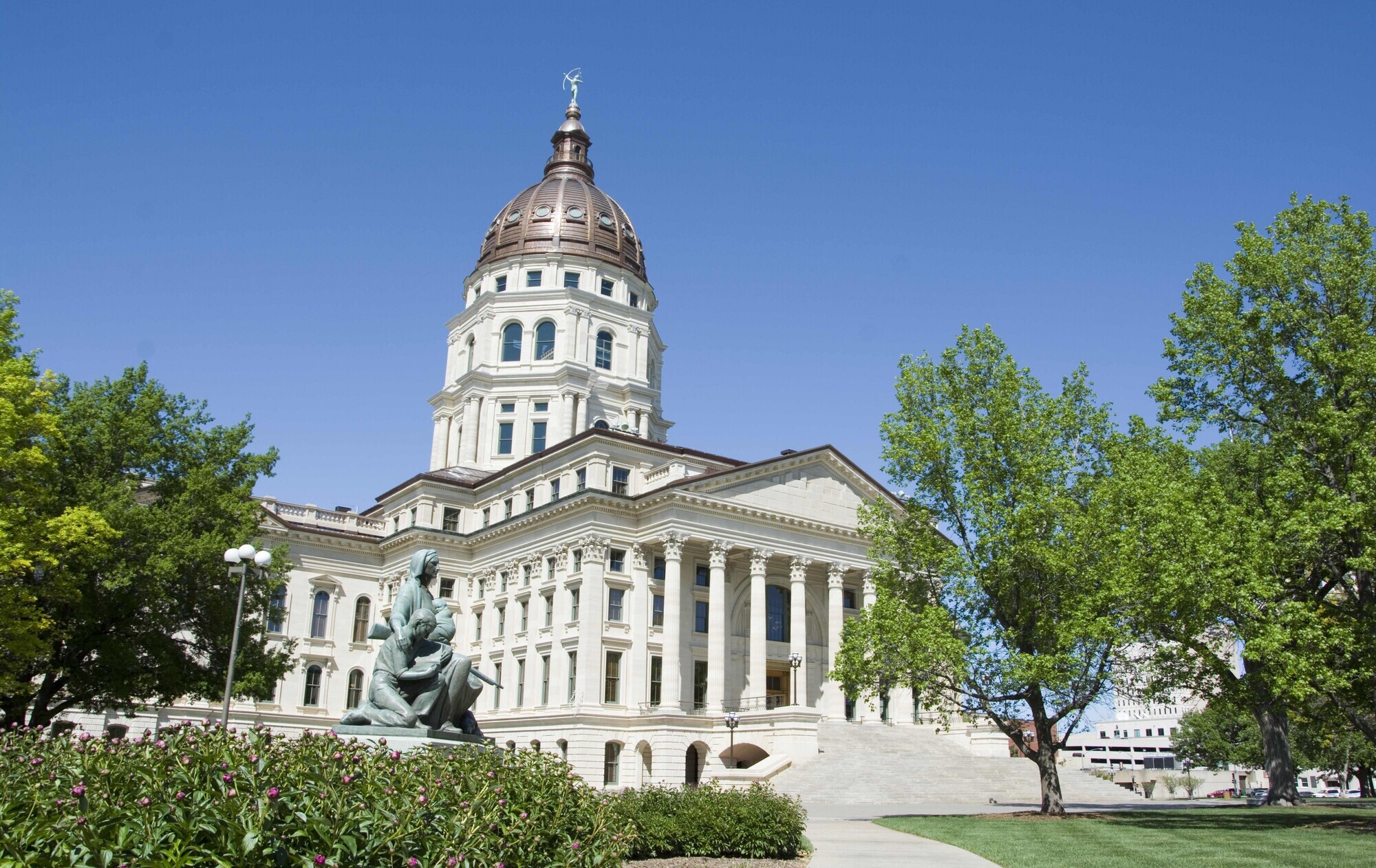
As state budgetary concerns loom in the background, early-stage firms in Kansas are hoping a bill to extend the Sunflower State’s Angel Investor Tax Credit program will become a priority for legislators.
Scheduled to sunset after the 2016 fiscal year, the program annually allocates $6 million in credits to entice investments in early-stage, growth-oriented companies in Kansas. HB 2405, which is now awaiting Kansas House approval, would extend the life of the program until 2021.
The bill’s future, however, is in limbo. Kansas faces a projected $600 million budgetary shortfall as a result of the legislature’s slashing of personal income taxes in 2012 and 2013. Legislators now are grappling with the choice to phase out what’s been a popular program, or spend some of the state’s limited dollars.
“It’s difficult right now, considering the budget situation,” said Chris Harris, Angel Investor Tax Credit program director. “But there’s cautious optimism (the bill will pass).”
Harris testifies before Kansas legislators each year, reporting on the program’s success since its 2005 launch. In its ten year life, the program has helped 298 companies raise more than $342.9 million in capital, which has allowed the firms to create 1,188 new jobs. Since 2012, the tax credits have helped create 549 jobs, according to the Kansas Department of Commerce.
The program is off to a hot start in 2015, too. Already more than 50 companies have applied for the credits by March 2015, which Harris said nearly doubles the volume of applications when compared to March 2014.
Melissa Roberts, marketing director for the Enterprise Center of Johnson County, said her organization’s angel investment arm, Mid-America Angels, seeks out the credits with each deal.Roberts said that the tax credits not only entice investors, but also mitigate the risk of backing an early-stage firm.
“The existing tax credits make Kansas companies more attractive to investors — from Kansas or any other state,” she said. “It allows angel investors to leverage their real investment in a company–and in some cases, encourages investors to tolerate a bit more risk or make a larger investment than they normally would.”
Roberts said that more than 20 states have implemented programs to attract or retain investment capital by way of income tax credits. On average, 4.1 new jobs are created for each angel investment made, according to the Center for Venture Research.

Featured Business

2015 Startups to Watch
stats here
Related Posts on Startland News

Big win for UMKC: Unlocking top tier research status gives KC new competitive edge
A new milestone for the University of Missouri-Kansas City — achieving status as Kansas City’s first Carnegie R1 research institution — is expected to help boost the region’s ability to start, grow and scale more startups, leaders said this week, emphasizing the role university-led research plays in innovation across industries and communities. “It’s absolutely massive…

KC Bier Co building new 30,000-square-foot urban beer garden; founder brewing a space for all
A Kansas City-built, German-style brewery is expanding to Lenexa — bringing an authentic Bavarian beer garden experience to Johnson County, said founder Steve Holle. Developed in partnership with West Star Development, the new KC Bier Co. venue will feature a large outdoor space, an indoor restaurant, private event areas, and a stage for live music…

Founder Problems: Podcast captures the ‘messy middle’ you don’t see on entrepreneurs’ highlight reels
A new Kansas City-based podcast is skipping over the fairy tale stories of founding a startup; instead diving straight into the messy parts, the hosts shared. Founder Problems — hosted by local entrepreneurs Sarah Schumacher, Zach Oshinbanjo, and Lee Zuvanich — is embracing the aspects of starting and running a business that no one wants…
‘Invest with women we know’: This $1.4M wellness hub project is redeveloping one neighborhood from within
It’s an old real estate adage: “Buy the worst house in the best neighborhood.” Longtime Kansas City commercial broker Sheryl Vickers said it also applies to business properties, “one thousand percent.” Like twin mid-century office buildings just over the Missouri/Kansas state line in Prairie Village. “I drove by it, what a sad state,” said Vickers,…