

Kansas budget woes render uncertainty for angel tax credits
May 2, 2015 | Bobby Burch
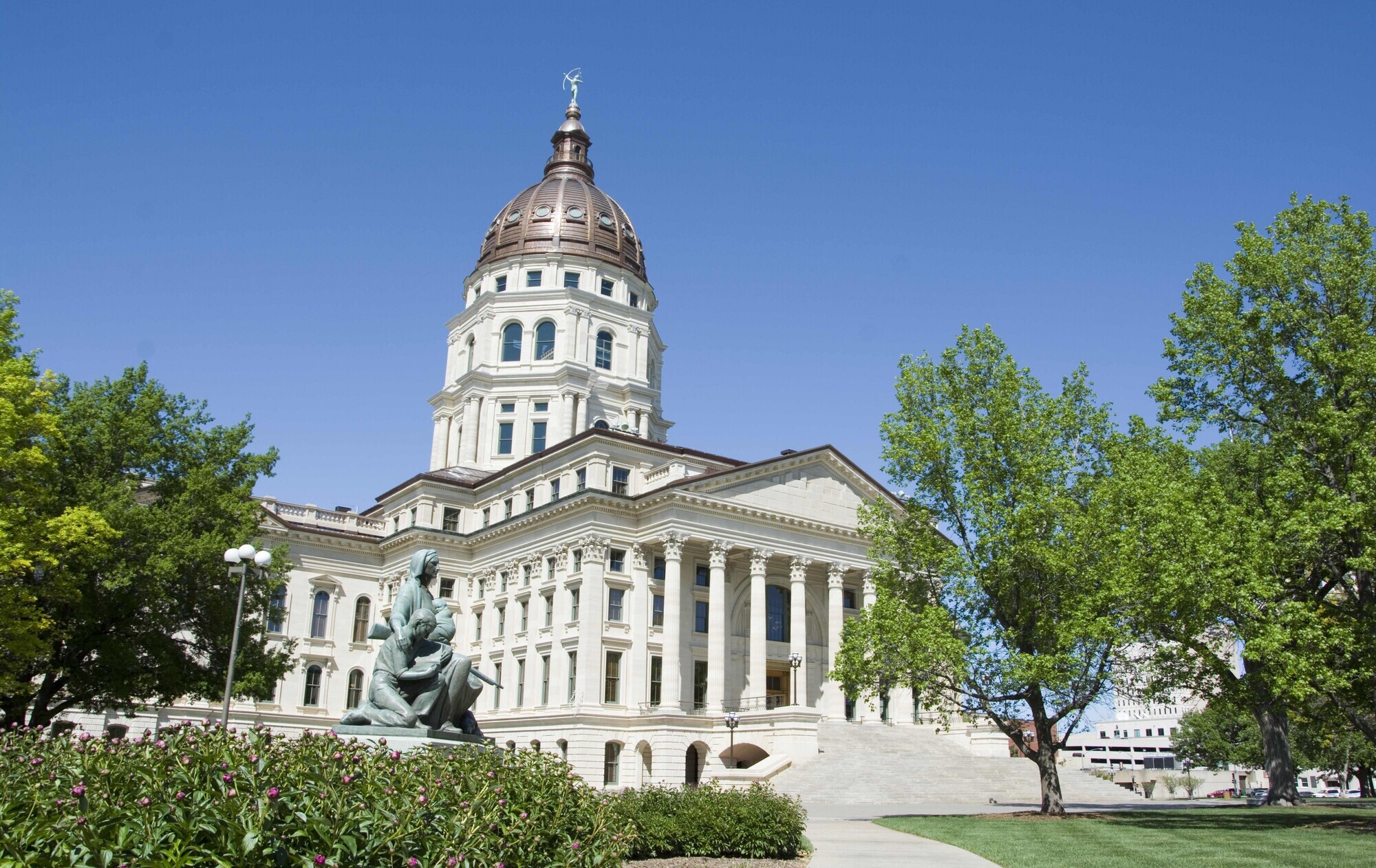
As state budgetary concerns loom in the background, early-stage firms in Kansas are hoping a bill to extend the Sunflower State’s Angel Investor Tax Credit program will become a priority for legislators.
Scheduled to sunset after the 2016 fiscal year, the program annually allocates $6 million in credits to entice investments in early-stage, growth-oriented companies in Kansas. HB 2405, which is now awaiting Kansas House approval, would extend the life of the program until 2021.
The bill’s future, however, is in limbo. Kansas faces a projected $600 million budgetary shortfall as a result of the legislature’s slashing of personal income taxes in 2012 and 2013. Legislators now are grappling with the choice to phase out what’s been a popular program, or spend some of the state’s limited dollars.
“It’s difficult right now, considering the budget situation,” said Chris Harris, Angel Investor Tax Credit program director. “But there’s cautious optimism (the bill will pass).”
Harris testifies before Kansas legislators each year, reporting on the program’s success since its 2005 launch. In its ten year life, the program has helped 298 companies raise more than $342.9 million in capital, which has allowed the firms to create 1,188 new jobs. Since 2012, the tax credits have helped create 549 jobs, according to the Kansas Department of Commerce.
The program is off to a hot start in 2015, too. Already more than 50 companies have applied for the credits by March 2015, which Harris said nearly doubles the volume of applications when compared to March 2014.
Melissa Roberts, marketing director for the Enterprise Center of Johnson County, said her organization’s angel investment arm, Mid-America Angels, seeks out the credits with each deal.Roberts said that the tax credits not only entice investors, but also mitigate the risk of backing an early-stage firm.
“The existing tax credits make Kansas companies more attractive to investors — from Kansas or any other state,” she said. “It allows angel investors to leverage their real investment in a company–and in some cases, encourages investors to tolerate a bit more risk or make a larger investment than they normally would.”
Roberts said that more than 20 states have implemented programs to attract or retain investment capital by way of income tax credits. On average, 4.1 new jobs are created for each angel investment made, according to the Center for Venture Research.

Featured Business

2015 Startups to Watch
stats here
Related Posts on Startland News

KCultivator Q&A: Big-hearted prankster Robert Manigold on opera singing, empathy and Weird Al
Editor’s note: KCultivators is a new, lighthearted profile series we’re kicking off to highlight people who are meaningfully enriching Kansas City’s entrepreneurial ecosystem. Check out our feature on Prep-KC CEO Susan Wally and community builder Donald Carter. If you live or work in downtown Kansas City, you’ve likely seen Robert Manigold. The “Ambassador of Awesome”…

Events Preview: Innovation Exchange, Verge KC
There are a plethora of entrepreneurial events hosted in Kansas City on a weekly basis. Whether you’re an entrepreneur, investor, supporter, or curious community member — we recommend these upcoming events for you. Are you hosting a relevant community event? Feel free to add it to the FWD/KC calendar for increased exposure. Once your event…

KC nonprofit leader will advise FCC committee on broadband
The leader of an area nonprofit focused on making Kansas City a digital leader will be offering his broadband expertise to a Federal Communications Commission committee. KC Digital Drive managing director Aaron Deacon was recently appointed to a group within the Federal Communications Commission’s Broadband Deployment Advisory Committee. Deacon’s group — Competitive Access to Broadband…

Bringing grub to KC food deserts, Rollin’ Grocer to expand impact after contest win
While he takes pride in his roots, Priest Hughes said it saddens him to see a staple of life — fresh food — become so difficult to attain in parts of Kansas City. Over the course of a decade, Hughes has noticed several grocery stores in his neighborhood close at an alarming rate. Purchasing fresh,…