

Kansas budget woes render uncertainty for angel tax credits
May 2, 2015 | Bobby Burch
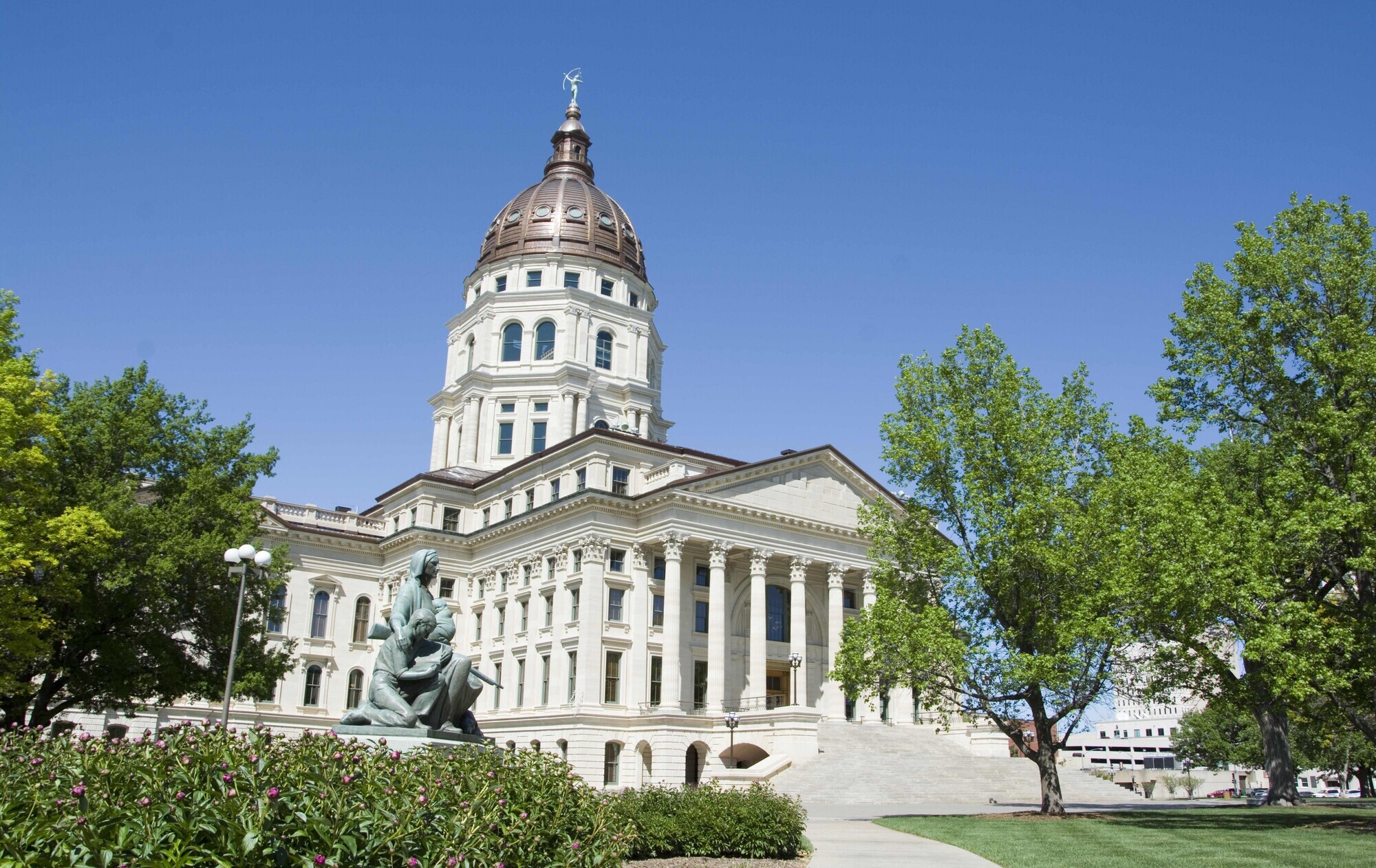
As state budgetary concerns loom in the background, early-stage firms in Kansas are hoping a bill to extend the Sunflower State’s Angel Investor Tax Credit program will become a priority for legislators.
Scheduled to sunset after the 2016 fiscal year, the program annually allocates $6 million in credits to entice investments in early-stage, growth-oriented companies in Kansas. HB 2405, which is now awaiting Kansas House approval, would extend the life of the program until 2021.
The bill’s future, however, is in limbo. Kansas faces a projected $600 million budgetary shortfall as a result of the legislature’s slashing of personal income taxes in 2012 and 2013. Legislators now are grappling with the choice to phase out what’s been a popular program, or spend some of the state’s limited dollars.
“It’s difficult right now, considering the budget situation,” said Chris Harris, Angel Investor Tax Credit program director. “But there’s cautious optimism (the bill will pass).”
Harris testifies before Kansas legislators each year, reporting on the program’s success since its 2005 launch. In its ten year life, the program has helped 298 companies raise more than $342.9 million in capital, which has allowed the firms to create 1,188 new jobs. Since 2012, the tax credits have helped create 549 jobs, according to the Kansas Department of Commerce.
The program is off to a hot start in 2015, too. Already more than 50 companies have applied for the credits by March 2015, which Harris said nearly doubles the volume of applications when compared to March 2014.
Melissa Roberts, marketing director for the Enterprise Center of Johnson County, said her organization’s angel investment arm, Mid-America Angels, seeks out the credits with each deal.Roberts said that the tax credits not only entice investors, but also mitigate the risk of backing an early-stage firm.
“The existing tax credits make Kansas companies more attractive to investors — from Kansas or any other state,” she said. “It allows angel investors to leverage their real investment in a company–and in some cases, encourages investors to tolerate a bit more risk or make a larger investment than they normally would.”
Roberts said that more than 20 states have implemented programs to attract or retain investment capital by way of income tax credits. On average, 4.1 new jobs are created for each angel investment made, according to the Center for Venture Research.

Featured Business

2015 Startups to Watch
stats here
Related Posts on Startland News

Yes, another total solar eclipse photo gallery
Like tens of thousands of people near the “path of totality,” the Kansas City Startup Foundation team trekked northward Monday to bask in the rarity of a total solar eclipse. As you can see from the photos, it was a tad cloudy at Smithville Lake — about 40 miles southeast of the crowds in St.…

Kauffman Foundation grants $78K to KC Startup Foundation, Startland hires managing editor
Continuing a commitment to cultivate its hometown entrepreneurial community, the Ewing Marion Kauffman Foundation has awarded a $78,600 grant to the Kansas City Startup Foundation. The foundation’s gift helps the KCSF expand the capacity and marketing of its programs to connect, educate and tell stories about area innovators. The KCSF — which recently merged with…

Eclipse watch: Drones to help UMKC-led researchers analyze gridlock
With all eyes on the sky for Monday’s rare solar eclipse, the heavens will be watching back. A team of volunteer drone pilots, research specialists and emergency management officials plan to use a fleet of unmanned aerial vehicles to provide real-time observation and analysis of Kansas City-area traffic at two likely congestion points during the…

Universe of ‘things’ expanding rapidly, Big Bang says
Editor’s Note: To stay in consistent contact with founders, Startland News is launching a weekly follow-up series featuring top area startups and entrepreneurs. Imagining the future of the “Internet of Things” — a universe of connected devices — is as impossible today as accurately fathoming in 1995 how then-fledgling Internet technology would change the world,…