

Kansas budget woes render uncertainty for angel tax credits
May 2, 2015 | Bobby Burch
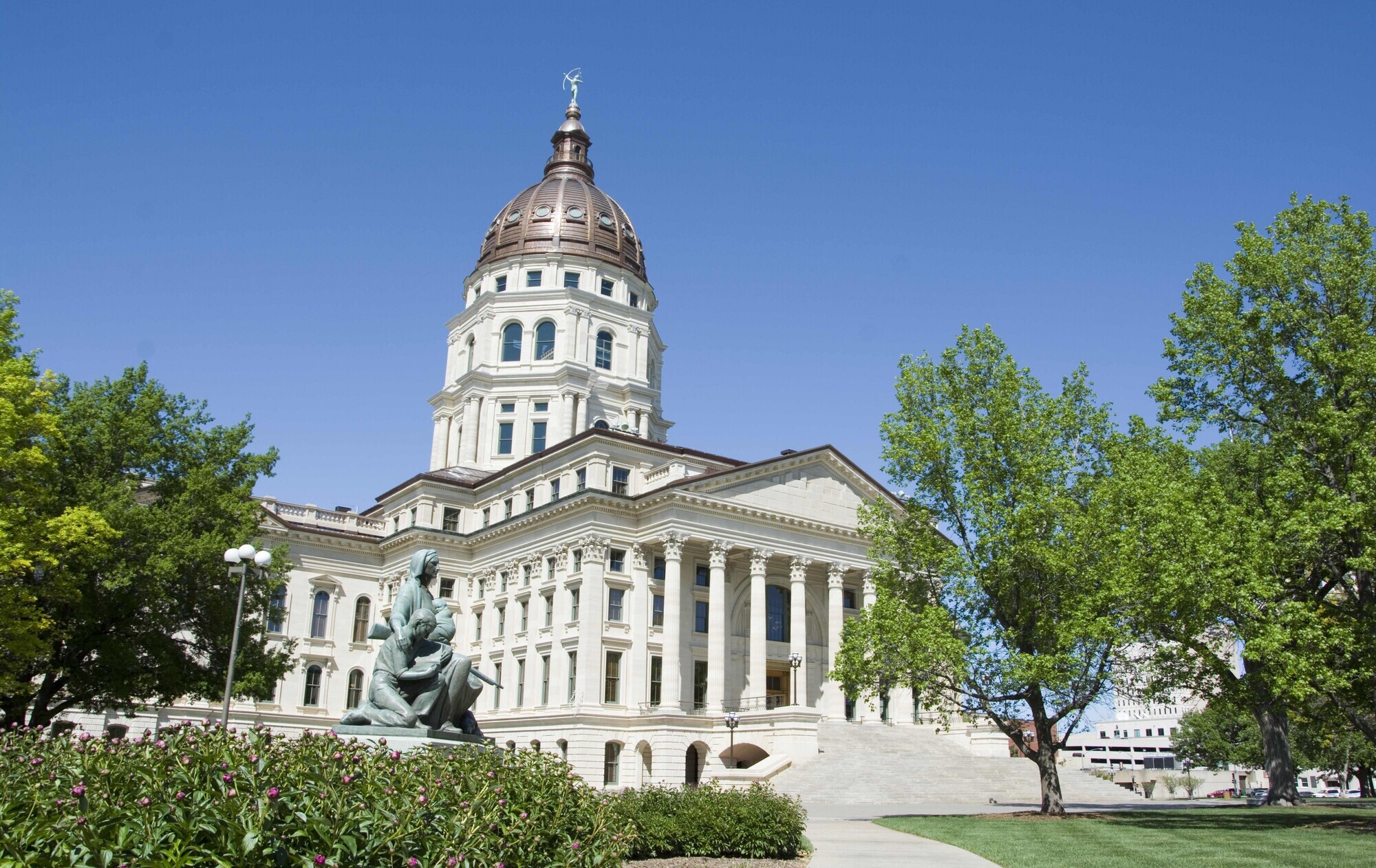
As state budgetary concerns loom in the background, early-stage firms in Kansas are hoping a bill to extend the Sunflower State’s Angel Investor Tax Credit program will become a priority for legislators.
Scheduled to sunset after the 2016 fiscal year, the program annually allocates $6 million in credits to entice investments in early-stage, growth-oriented companies in Kansas. HB 2405, which is now awaiting Kansas House approval, would extend the life of the program until 2021.
The bill’s future, however, is in limbo. Kansas faces a projected $600 million budgetary shortfall as a result of the legislature’s slashing of personal income taxes in 2012 and 2013. Legislators now are grappling with the choice to phase out what’s been a popular program, or spend some of the state’s limited dollars.
“It’s difficult right now, considering the budget situation,” said Chris Harris, Angel Investor Tax Credit program director. “But there’s cautious optimism (the bill will pass).”
Harris testifies before Kansas legislators each year, reporting on the program’s success since its 2005 launch. In its ten year life, the program has helped 298 companies raise more than $342.9 million in capital, which has allowed the firms to create 1,188 new jobs. Since 2012, the tax credits have helped create 549 jobs, according to the Kansas Department of Commerce.
The program is off to a hot start in 2015, too. Already more than 50 companies have applied for the credits by March 2015, which Harris said nearly doubles the volume of applications when compared to March 2014.
Melissa Roberts, marketing director for the Enterprise Center of Johnson County, said her organization’s angel investment arm, Mid-America Angels, seeks out the credits with each deal.Roberts said that the tax credits not only entice investors, but also mitigate the risk of backing an early-stage firm.
“The existing tax credits make Kansas companies more attractive to investors — from Kansas or any other state,” she said. “It allows angel investors to leverage their real investment in a company–and in some cases, encourages investors to tolerate a bit more risk or make a larger investment than they normally would.”
Roberts said that more than 20 states have implemented programs to attract or retain investment capital by way of income tax credits. On average, 4.1 new jobs are created for each angel investment made, according to the Center for Venture Research.

Featured Business

2015 Startups to Watch
stats here
Related Posts on Startland News

Video: Hammerspace fueling maker community through supportive network
Since its launch in 2011, Hammerspace has served as a community space for hundreds of Kansas Citians. Unlike coworking spaces with traditional desks and chairs, Hammerspace gives members access to lasers, 3-D printers, sewing stations, radio components, and equipment for welding, sculpting, woodworking and other art forms. In April, Hammerspace moved out of its Brookside…

Hammerspace grows maker mission on Emanuel Cleaver Boulevard
Dave Dalton is a maker — a blacksmith, a bladesmith, a woodworker, an artist and a jack of all trades. More than just a sum of his skills, being a maker is all about perspective, said Dalton, founder of Hammerspace Community Workshop. And when a friend dared him to give his tip jar an upgrade, Dalton…

Innovation Stockyard selects first St. Joe startup for Digital Sandbox
A curbside recycling service is expected to be the first startup to receive Digital Sandbox KC proof-of-concept funding through the Innovation Stockyard incubator. Toss it Curbside, a service with which customers place unwanted items on their curbs to be recycled or donated, plans to use the funds and the St. Joseph-based incubator program to optimize…

Applications open: Sprint Accelerator dialing into ag tech, IoT with 2018 cohort
Investing in startups isn’t just about providing needed capital, Doug Dresslaer said. As the Sprint Accelerator gears up for its fifth year, Dresslaer, managing director of the program, said the accelerator’s 2017 cohort — the first since its move toward establishing corporate partnerships and pivot away from Techstars — proved industry relationships themselves create tremendous value.…