

Founder of defunct Symptomly shares lessons from failure
May 7, 2015 | Abby Tillman
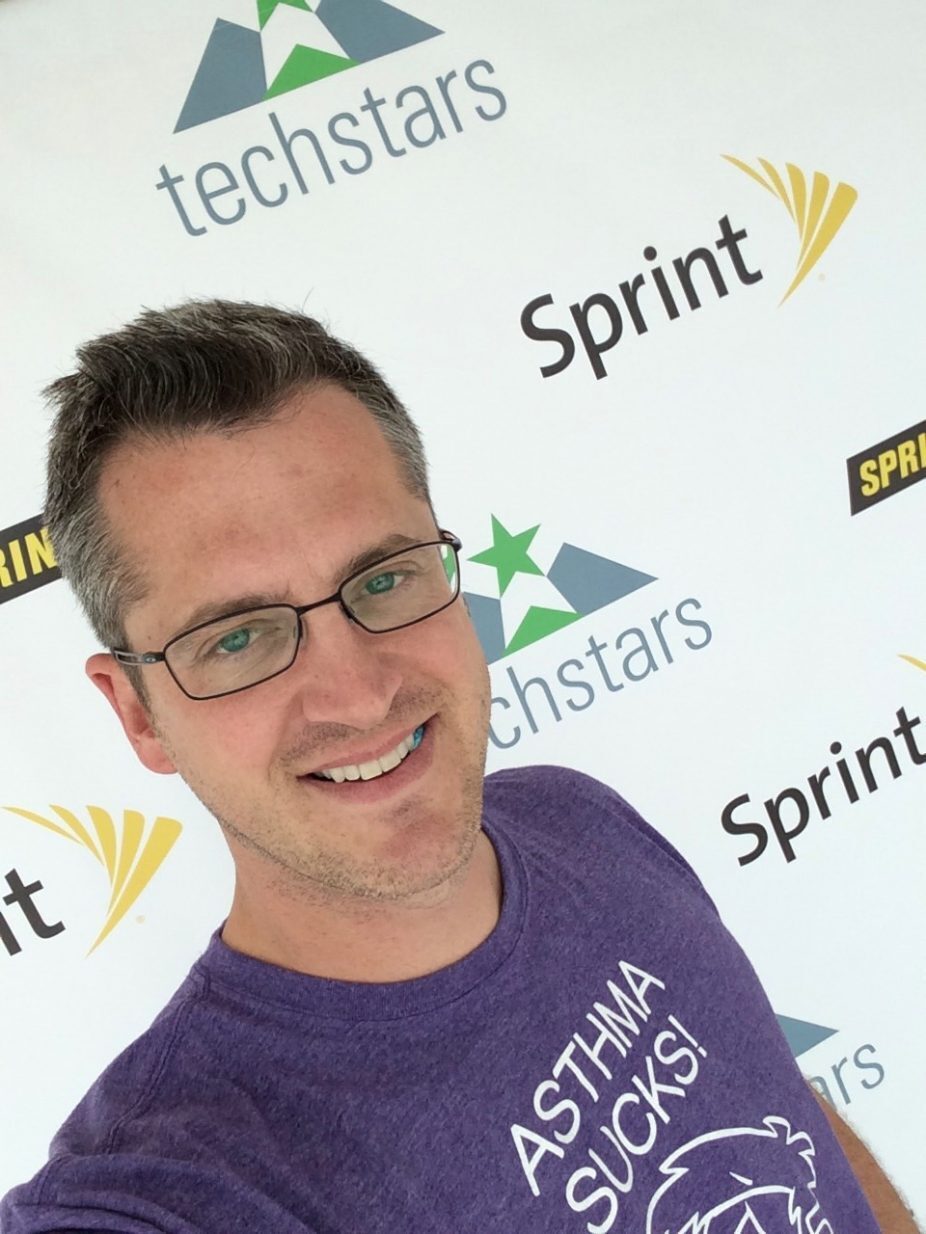
Failure is a touchy subject.
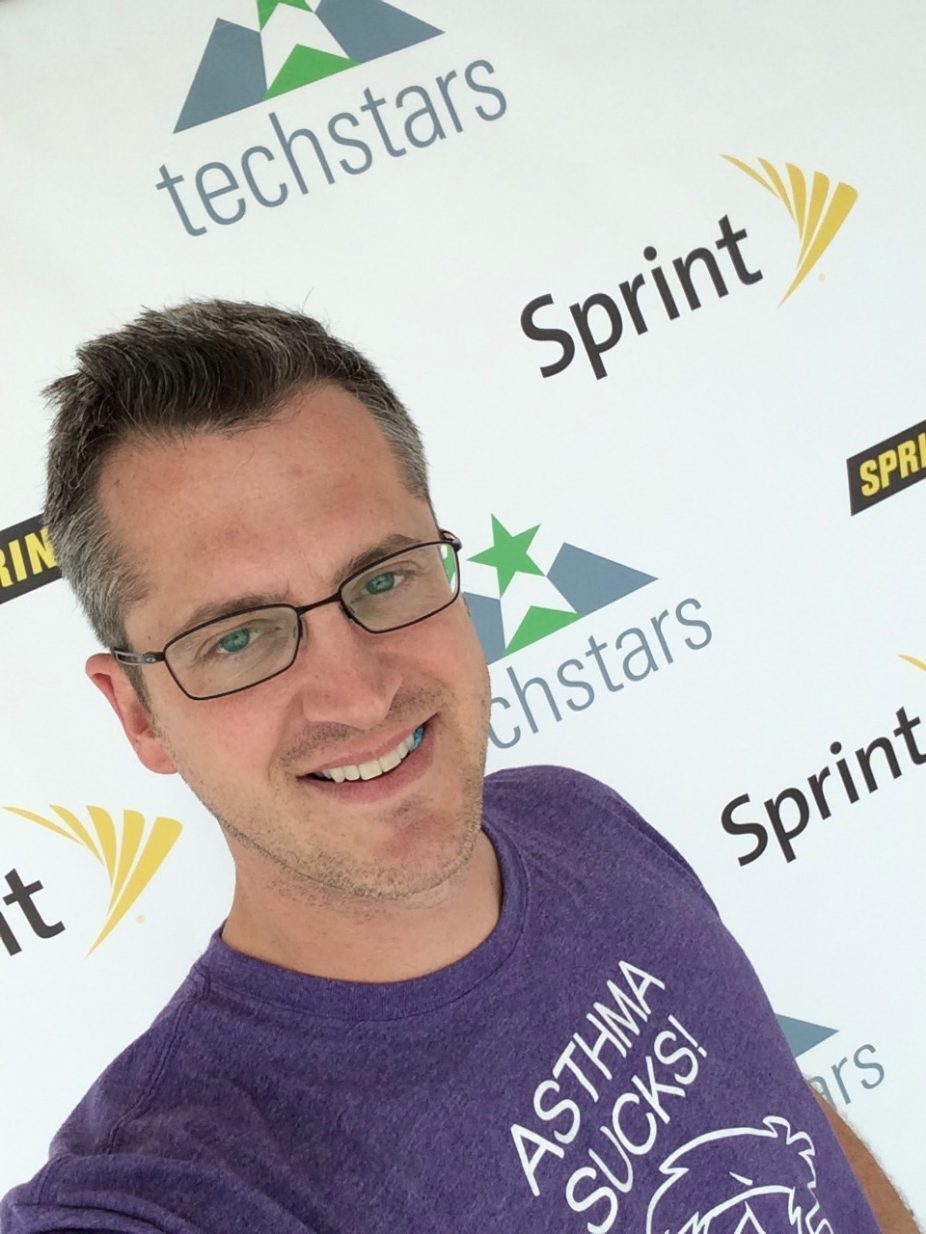
Derek Bereit
But for Derek Bereit — the former CEO and co-founder of mobile asthma tracking company Symptomly — his company’s failure was an opportunity shrouded in a difficult situation.
Rather than sulking, Bereit sat down with Startland News to discuss Symptomly’s demise, the lessons it provided him and the possibilities that open up to an entrepreneur when everything seems to be going wrong.
On Symtomly’s downfall …
We could not make money and could not raise any more money. We could not find product-market fit: a problem people were willing to pay to solve. Healthcare is a tough market for startups. We decided to shelve the product as there was not yet a market for the product and moved on to other projects.
On leadership lessons through failure …
People join a startup for a reason: they don’t want a traditional boss. So, make sure you have a rocket-fueled co-founder and team, and a team that kicks ass in their role, does things you have no idea how to do, but doesn’t require close supervision.
On defining “failure” for entrepreneurs …
People forget that in startups failure is the norm. If people think failure is a purely bad thing then I would say there is no such thing as failure in a startup. Failure is giving up and staying down. Failure is walking around talking about startups and never doing one.
If you care about other people’s view of failure, much less your failure, then you shouldn’t be an entrepreneur. Entrepreneurship is creating something out of nothing. It’s one of the hardest things in the world. It takes a huge toll on physical and mental health.
Shutting down has the same feelings –– just without the hope, energy and optimism you had starting out. I felt a tremendous internal sense of failure and fear. But good news is people cannot see 99 percent of the failure you feel on the inside.
On lessons to other entrepreneurs …
Startups are a series of experiments. Set a time period to run those experiments. If you cannot find paying customers, a rapidly growing user-base, product market fit –– know going into it what your drop-dead date is. As a hobby you can continue trying indefinitely, but once you raise money it starts a clock, and you are done when you run out of money.
On his current plans …
Between startups is really the only time you can step back, regroup and explore new ideas and meet new teammates. I have had (venture capitalists) and entrepreneurs reach out that never met with Symptomly. When your investors, teammates and advisors say ‘let’s do it again’ –– that is the opposite of failure.
I am also mentoring a couple startups at the Sprint Accelerator, and advising a few more around Kansas City and helping Sean McIntosh build the Bunker incubator for veterans.
On lessons for his next venture …
Have revenue on day one. Focus on revenue, then build something sustainable. Fundraising should be one option, not a requirement or goal. Make it a hobby until you make revenue, and then turn it into a company.
And have a tech cofounder and learn to code. Without any tech experience you cannot manage contractors, attract tech talent, or hire developers. If you are running a tech company, without any tech experience, you are doomed.


2015 Startups to Watch
stats here
Related Posts on Startland News

Radar’s new pitch: How this Kansas sports tech startup spins data into speedier fastballs
When speed is the name of the game, data can be nearly as important as talent, said Jarrod Nichols, emphasizing the role his startup’s radar technology can play in helping baseball and softball athletes measure fastball performance, improve their stats, and swing for the fences. “Pitch speed has been captured since the early ’70s,” said…

Sacred sips: Alcohol-free bar on 39th Street creates healing space where ‘every drink is medicine’
Editor’s note: The following story was published by The Kansas City Defender, a nonprofit Black newsroom producing news, mutual aid and digital tools to keep Kansas City’s Black community informed and organized. Click here to read the original story or here to sign up for The Kansas City Defender’s email newsletter. In a neighborhood built to keep them…

Entrepreneurs say DoorDash accelerator delivered, prepping their small businesses for tall orders ahead
Ten graduates of DoorDash’s 12-week Midwest accelerator gathered Wednesday to celebrate successes from the program, along with lessons they say will last longer than the $5,000 grants each entrepreneur received. “Running a small business is tough work, and it meant so much to receive support from DoorDash and my home of Kansas City,” said Tanyech…
KCK party store’s sales plummet because of ICE fears; It’s not the only business slowed by the crackdown
Editor’s note: The following story was published by KCUR, Kansas City’s NPR member station, and a fellow member of the KC Media Collective. Click here to read the original story or here to sign up for KCUR’s email newsletter. President Donald Trump’s immigration crackdown has many recent immigrants terrified, hunkering down and holding onto their money; That new fear and…