

Founder of defunct Symptomly shares lessons from failure
May 7, 2015 | Abby Tillman

Failure is a touchy subject.

Derek Bereit
But for Derek Bereit — the former CEO and co-founder of mobile asthma tracking company Symptomly — his company’s failure was an opportunity shrouded in a difficult situation.
Rather than sulking, Bereit sat down with Startland News to discuss Symptomly’s demise, the lessons it provided him and the possibilities that open up to an entrepreneur when everything seems to be going wrong.
On Symtomly’s downfall …
We could not make money and could not raise any more money. We could not find product-market fit: a problem people were willing to pay to solve. Healthcare is a tough market for startups. We decided to shelve the product as there was not yet a market for the product and moved on to other projects.
On leadership lessons through failure …
People join a startup for a reason: they don’t want a traditional boss. So, make sure you have a rocket-fueled co-founder and team, and a team that kicks ass in their role, does things you have no idea how to do, but doesn’t require close supervision.
On defining “failure” for entrepreneurs …
People forget that in startups failure is the norm. If people think failure is a purely bad thing then I would say there is no such thing as failure in a startup. Failure is giving up and staying down. Failure is walking around talking about startups and never doing one.
If you care about other people’s view of failure, much less your failure, then you shouldn’t be an entrepreneur. Entrepreneurship is creating something out of nothing. It’s one of the hardest things in the world. It takes a huge toll on physical and mental health.
Shutting down has the same feelings –– just without the hope, energy and optimism you had starting out. I felt a tremendous internal sense of failure and fear. But good news is people cannot see 99 percent of the failure you feel on the inside.
On lessons to other entrepreneurs …
Startups are a series of experiments. Set a time period to run those experiments. If you cannot find paying customers, a rapidly growing user-base, product market fit –– know going into it what your drop-dead date is. As a hobby you can continue trying indefinitely, but once you raise money it starts a clock, and you are done when you run out of money.
On his current plans …
Between startups is really the only time you can step back, regroup and explore new ideas and meet new teammates. I have had (venture capitalists) and entrepreneurs reach out that never met with Symptomly. When your investors, teammates and advisors say ‘let’s do it again’ –– that is the opposite of failure.
I am also mentoring a couple startups at the Sprint Accelerator, and advising a few more around Kansas City and helping Sean McIntosh build the Bunker incubator for veterans.
On lessons for his next venture …
Have revenue on day one. Focus on revenue, then build something sustainable. Fundraising should be one option, not a requirement or goal. Make it a hobby until you make revenue, and then turn it into a company.
And have a tech cofounder and learn to code. Without any tech experience you cannot manage contractors, attract tech talent, or hire developers. If you are running a tech company, without any tech experience, you are doomed.


2015 Startups to Watch
stats here
Related Posts on Startland News
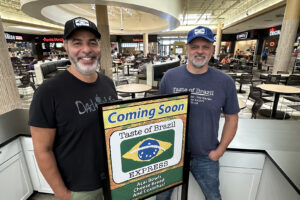
Why a City Market favorite is jumping the state line — to the food court at Oak Park Mall
Its Brazilian dishes — using recipes the owners grew up eating in São Paulo — have been a City Market draw for more than a decade. Now Taste of Brazil restaurant is expanding to Johnson County, but as a quick-serve kiosk with a limited menu. Taste of Brazil Express plans a late September opening in…

Spiced side hustle gives this Kansas culinary teacher a kick (and a growing market)
Richard Wilks is bringing heat to Kansas’ food scene. A chef and community-builder at heart, Wilks created Burro, a line of chili and garlic crunch oils, sauces, and seasonings designed to fuel real connection around the table. His growing lineup can be spotted at the Overland Park Farmers Market, where loyal customers keep coming back…

Animal health innovators: Building on a new frontier means do-overs, even when you got it right first
Kansas City-based ELIAS Animal Health earned full USDA approval for its bone cancer therapy for dogs earlier this year, but the road to commercialization has been long and anything but straight, Tammie Wahaus shared. The veteran CEO shared her story of pivots — including switching from human health to animal health and adapting to ever-changing…
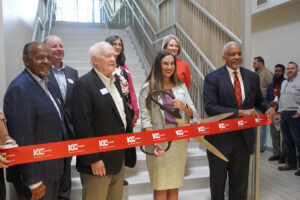
Development leaders laud HQ expansion for organization that opens workforce to Kansas Citians with autism
A new multimillion-dollar, 80,000-square-foot headquarters along Kansas City’s Brush Creek marks a major milestone for Behavioral Health Allies, strengthening the organization’s workforce training efforts and its belief in the potential for individuals with developmental disabilities and autism spectrum disorders, officials said Wednesday. “This expansion is exactly the kind of investment Kansas City needs,” said Tracey…